
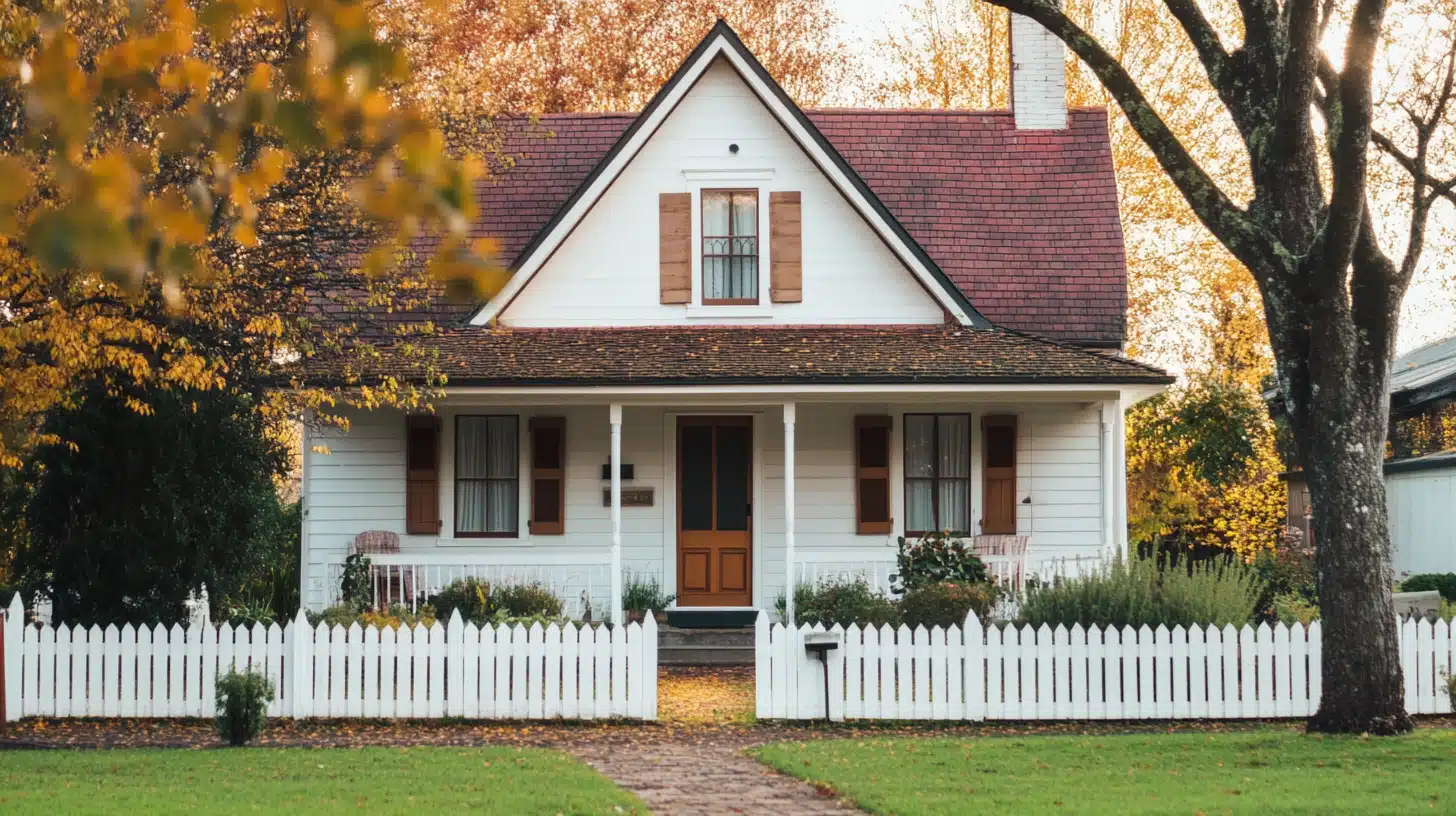
When planning home improvements, it’s crucial to think long-term. Trends come and go, but a future-proof home enhances your lifestyle now while boosting your property’s value for years to come. Whether you’re a first-time homeowner or preparing to sell, making strategic upgrades ensures you reap the rewards down the line.
This blog provides actionable tips on how to plan home improvements that are not just stylish but also functional, sustainable, and timeless investments.
Why Future-Proofing Matters
Some updates might make your home look great today but could lose their appeal—or utility—tomorrow. Future-proofing your home means choosing improvements that stay relevant no matter the changes in trends, technology, or even the real estate market. It’s about saving money, staying ahead, and building a home that supports modern living for years to come.
Focus on Smart Technology
1. Smart Home Systems
Investing in smart home systems, such as programmable thermostats, security cameras, and lighting, enhances your home’s comfort and efficiency. Modern buyers expect homes to incorporate energy-efficient and automated technologies.
Products like Nest Thermostats or Ring Security Cameras not only add convenience but also appeal to environmentally conscious and tech-savvy buyers. These features reflect forward-thinking living, ensuring your property remains competitive in the housing market.
2. Durable Materials and Design
Future-proofing your home also means selecting materials meant to last. Look beyond aesthetics—prioritize durability and timeless design. For example, engineered hardwood flooring and stone countertops are both classic and highly resilient.
3. Sustainable Energy Solutions
Solar panels, energy-efficient windows, and improved insulation are eco-friendly upgrades that significantly lower utility bills. Homes with sustainable features tend to attract higher offers—a win-win for you and the environment.
If you’re looking for windows in Logan, Utah, that combine style and functionality, consider exploring companies that specialize in energy-efficient designs.
Prioritize Adaptable Spaces
1. Flexible Rooms
Open-concept layouts are timeless, but flexibility is increasingly important. Spaces that can easily adapt, such as home offices that double as guest bedrooms, appeal to modern buyers. Built-in storage solutions further enhance usability without sacrificing space.
2. Multi-Generational Living Options
The rise of multi-generational households means homes that can accommodate elderly family members or young adult children are more in demand than ever. Adding features like a separate living suite or even an accessible bathroom ensures your home stays functional for a variety of living arrangements.
Add Curb Appeal That Lasts
1. Timeless Landscaping
A well-maintained exterior boosts a home’s first impression—and value. Instead of decorative shrubs that require constant care, look for low-maintenance landscaping options, such as drought-resistant plants and hardscaping features like stone walkways.
2. Exterior Updates
A fresh coat of paint, new siding, or replacing your front door are cost-effective ways to future-proof your home’s curb appeal. Additionally, upgrading garage steel doors or adding energy-efficient outdoor lighting makes a lasting impact.
Choose High-Impact Renovations
Not all improvements are created equal. Here are the upgrades that consistently provide great returns on investment.
1. Kitchen Remodels
Kitchens are the heart of any home, and even minor upgrades can make a big difference. Focus on features such as modern cabinetry, energy-efficient appliances, or creating an open layout for better flow and functionality.
2. Bathroom Updates
Luxurious, spa-like bathrooms are a big draw for buyers. Upgrades such as walk-in showers, double vanities, or underfloor heating make your bathroom both more comfortable and marketable.
3. Invest in Windows and Natural Light
Bright, airy homes tend to retain their appeal. Installing large windows or even skylights can transform dark spaces, creating a sense of warmth and energy. Don’t forget to opt for energy-efficient designs that reduce heating and cooling costs while keeping your home eco-friendly.
Stay Ahead with Future Design Trends
While focusing on timeless improvements is essential, keeping an eye on future design trends will help you maintain your home’s appeal. Minimalistic and open spaces, natural textures, and biophilic designs (bringing the outdoors inside) are likely to grow even more popular.
How to Plan Effectively
1. Research the Market
What homebuyers want varies by region. For example, properties in colder climates benefit hugely from proper insulation and storm windows, while outdoor living spaces may hold more value in sunny areas.
2. Set a Budget and Stick to It
Future-proofing your home doesn’t have to break the bank. Choose improvements with a high ROI and focus on upgrades that offer both short- and long-term benefits.
3. Work with Professionals
Hiring skilled contractors, architects, or interior designers ensures quality and safety. They’ll also help you future-proof your home with expertise tailored to your unique needs. Remember, well-done upgrades are more likely to stand the test of time.
Secure Your Investment as You Improve
Investing in future-proof home improvements is not just about what’s trending—it’s about creating a home that aligns with long-term living trends. From smart technology to sustainable materials and functional spaces, these changes not only improve your daily life but also add to your home’s resale value.
Whether you’re remodeling for comfort or preparing to sell, the upgrades you make today can set you up for years of success. Start by updating key areas like kitchens, bathrooms, and windows, and always prioritize durability, sustainability, and adaptability.
