
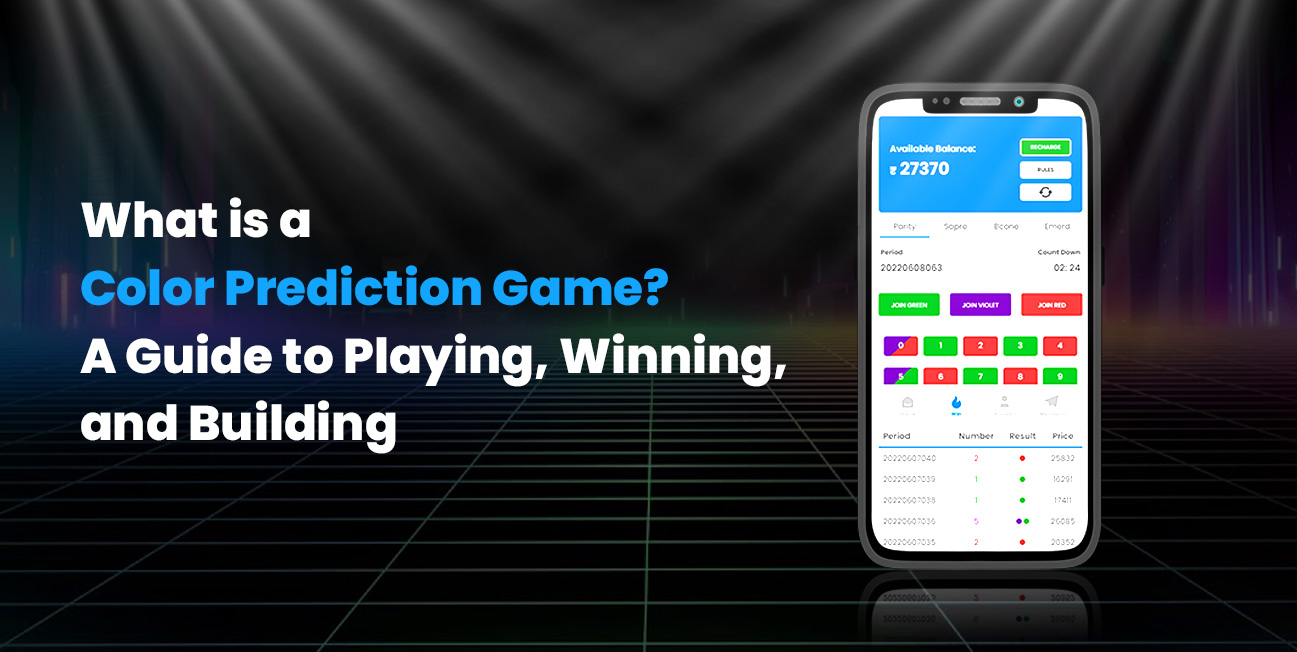
Color prediction games have captivated players with their vibrant aesthetics and engaging gameplay. As the genre continues to grow in popularity, the question arises: what lies ahead for the future of color prediction games? In this article, we’ll explore the emerging trends, technological advancements, and future developments that are shaping the evolution of this exciting genre.
Current State of Color Prediction Games
Color prediction games have quickly gained traction due to their simple mechanics and visually stimulating design. Players predict or match colors based on set patterns or random outcomes, often driven by Random Number Generators (RNGs) to ensure fairness. The genre’s appeal stems from its easy accessibility and the instant gratification it offers players, making it a favorite among casual and experienced gamers alike.
Emerging Trends
1. Augmented Reality (AR) and Virtual Reality (VR) Integration
The incorporation of AR and VR is set to revolutionize color prediction games. Augmented Reality will enable players to interact with color patterns in real-world environments, while Virtual Reality will offer fully immersive, dynamic experiences. These technologies promise to take engagement to the next level, offering a richer and more immersive gaming experience.
2. Artificial Intelligence (AI) and Machine Learning
AI and machine learning are poised to enhance the sophistication of color prediction games. AI can analyze player behavior and adjust gameplay for a more personalized experience, while machine learning algorithms can optimize randomness and fairness in color outcomes. These technologies can also introduce more complex and adaptive game mechanics, keeping gameplay fresh and exciting.
3. Gamification and Social Features
As color prediction games evolve, they are likely to incorporate more gamification elements such as achievements, leaderboards, and challenges. These features encourage competition and player engagement. Additionally, the inclusion of multiplayer modes and real-time competitions will foster social interaction and community-building among players.
4. Blockchain for Transparency and Security
Blockchain technology has the potential to enhance color prediction games by ensuring the transparency and security of game outcomes. By providing a decentralized and tamper-proof record of transactions, blockchain can help build player trust, ensuring fairness and addressing concerns related to game integrity.
Technological Advancements
1. Enhanced Graphics and Design
Future color prediction games are expected to feature even more impressive visuals. Advances in graphics technology will enable developers to create more intricate and vibrant color patterns, offering players a visually stimulating experience. The evolution of game design tools will lead to more dynamic and engaging environments for players to interact with.
2. Mobile and Cross-Platform Play
With smartphones and tablets becoming more powerful, color prediction games will be optimized for mobile platforms, allowing players to enjoy the game anywhere. Cross-platform capabilities, like Acha Game Login, will enable players to compete across different devices, broadening the reach and accessibility of color prediction games.
3. Personalized Gaming Experiences
Personalization is set to become a central feature of future color prediction games. Through advanced algorithms and data analysis, developers will tailor the gaming experience to each player’s preferences, including customized color schemes, adaptive difficulty levels, and personalized gameplay elements that align with individual skill levels and interests.
4. Real-Time Analytics
Real-time data analytics will play an essential role in improving the color prediction gaming experience. By monitoring player behavior and in-game performance, developers can make data-driven adjustments to enhance game balance and user experience. This also allows developers to identify trends and areas for innovation within the game.
Potential Challenges
1. Ensuring Fairness and Transparency
As the genre grows, maintaining fairness and transparency will remain a crucial focus. Developers must invest in robust algorithms and conduct regular audits to ensure the integrity of game outcomes. Independent verification of results and transparency in how games are run will help maintain player trust.
2. Addressing Gambling Concerns
With color prediction games becoming more popular in online gambling, there are concerns about the potential for gambling addiction. Developers and operators must implement responsible gaming practices such as self-exclusion options, deposit limits, and accessible support resources to promote a safe gaming environment for all players.
3. Navigating Regulatory Compliance
As color prediction games continue to grow, staying compliant with gaming regulations will be essential. Operators must adapt to evolving laws and industry standards to ensure their games meet legal requirements and follow best practices. This will be key to maintaining a sustainable and ethical gaming experience.
Conclusion
The future of color prediction games is filled with exciting possibilities. With innovations in AR, VR, AI, and blockchain, color prediction games are poised to become more immersive, engaging, and personalized than ever before. However, developers must address challenges such as fairness, gambling risks, and regulatory compliance to ensure a positive and secure experience for all players. By embracing technological advancements and prioritizing player engagement, the future of color prediction games looks bright, promising an even more captivating gaming experience
