
Table of Contents
- Introduction to Responsible Fishing
- Why Catch and Release Matters
- Best Practices for Catch and Release
- Environmental Impact of Responsible Fishing
- Essential Tools and Gear
- Understanding Fishing Regulations
- Community Involvement in Conservation
- Conclusion
Introduction to Responsible Fishing
Fishing has been a bridge between humanity and the underwater world, offering sustenance, excitement, and relaxation. Responsible fishing practices, particularly the art of catch and release, have emerged as critical strategies for preserving the delicate balance of aquatic ecosystems. A prime example of engaging in sustainable fishing can be seen with Panama City Beach fishing charters, which emphasize environmentally friendly methods that allow anglers to enjoy their passion without compromising the future health of marine life. This dual approach of enjoyment and preservation ensures that the oceans continue to thrive, supporting various species.
This sense of stewardship is at the heart of the angler’s relationship with nature. Responsible fishing involves acquiring techniques and fostering an enduring commitment to environmental sustainability. Whether one embarks on a solo fishing trip or joins a charter, the goal is to ensure that fishing remains a fulfilling and ecologically beneficial activity for generations.
Why Catch and Release Matters
The practice of catch and release is vital in maintaining fish populations and, thus, the health of marine ecosystems. Overfishing is an ongoing challenge, threatening to disrupt ecological balance and reduce biodiversity. The World Wildlife Fund identifies overfishing as a pressing issue that threatens marine species and entire underwater habitats, often taking decades to recover once disturbed. Through catch and release, anglers preserve and restore fish populations, ensuring that fishing can remain a sustainable activity.
Catch-and-release also impacts socio-economic aspects, providing a lifeline for fishing communities that rely on healthy ecosystems for their livelihoods. Sustainable fishing bolsters tourism, supports local economies and helps build a future that values and protects our natural resources.
Best Practices for Catch and Release
- Use barbless hooks: Barbless hooks are designed to minimize harm, allowing easier extraction and reducing stress on fish. This practice helps increase the survival rate of the fish once it is released back into the wild.
- Please handle it carefully. Wet your hands or gloves before touching the fish to avoid stripping its protective mucus layer, which protects it from infections and parasites.
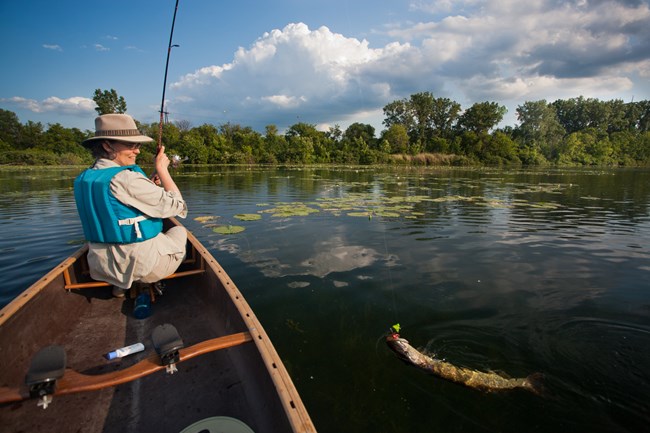
- Avoid prolonged exposure: Keep fish in the water as much as possible, only removing them briefly—and gently—for any necessary procedures such as removing the hook or snapping a picture.
- Revive the fish: Hold it in the water facing into the flow to help it regain strength. It oxygenates the fish and prepares it for a safe release.
- Avoid using nets: If you must use a net, consider using one made of soft, knotless material. This considerably minimizes the likelihood of injuring the fish’s scales and skin.
Environmental Impact of Responsible Fishing
Responsible fishing extends its benefits well beyond the individual fish. By fostering more sustainable fish populations, entire ecosystems benefit, which, in turn, bolsters fishery health and biodiversity. Responsible fishing is crucial in maintaining our water systems’ natural balance and beauty. Responsible fishing helps mitigate unintended ecological consequences, protecting various interdependent species. In light of the information provided by National Geographic, tackling the decline in fish populations is a global imperative that requires immediate attention and action.
Educational initiatives surrounding sustainable fishing emphasize individual conduct and its broader impact, encouraging a holistic approach to ecosystem preservation.
Essential Tools and Gear
To effectively engage in catch and release, it is essential to have the right equipment. It includes selecting appropriate fishing line weights and rods and tackling supporting sustainable practices. Tools such as de-hookers and barbless hooks ensure the health and survival of fish released back into the water. The initial investment in high-quality, sustainable equipment might seem daunting, but it ultimately benefits both the angler and the marine life, ensuring the long-term sustainability of the resources.
Understanding Fishing Regulations
Each region has fishing regulations to protect aquatic environments and ensure sustainable fishing. These regulations often include specific laws regarding fish size, catch limits, and designated seasons. Familiarity with local laws is a responsibility every angler should take seriously, as it dramatically impacts conservation efforts. Moreover, staying informed about any regulatory changes in fishing locations aids in the effort to protect endangered species and foster an environment of respect and sustainability among the fishing community.
Community Involvement in Conservation
Active community engagement is critical in promoting sustainable fishing techniques. Local conservation groups and organizations are at the forefront of these efforts, providing essential education on the impact of overfishing and the importance of responsible angling. They often organize awareness events such as workshops, seminars, and public forums that bring together anglers, environmentalists, and community members to discuss best practices and share knowledge about sustainable fishing techniques.
Additionally, these organizations create numerous volunteer opportunities that allow anglers and community members to engage directly in habitat protection efforts. Activities may include river cleanups, habitat restoration projects, and fish stocking programs, enabling participants to contribute meaningfully to preserving local ecosystems. Participation improves individuals’ awareness of sustainable practices and fosters a sense of environmental care within the community.
The impact of community involvement extends beyond local initiatives. Anglers actively participating in these groups are encouraged to share their experiences and insights with a broader audience. This exchange of ideas can help drive meaningful regional and national conservation dialogues. By documenting success stories and challenges faced in local environments, these advocates can inspire more significant movements to influence policies and practices that protect aquatic ecosystems on a grander scale. Through a united effort, the community can make important strides toward ensuring the sustainability of fish populations and the health of our waterways for future generations.
Conclusion
Catch-and-release fishing practices offer a harmonious blend of tradition and innovation, allowing anglers to continue their cherished hobby while championing environmental sustainability. By adopting responsible techniques, understanding their broader impact, and engaging with community conservation efforts, anglers can help safeguard marine life for the enjoyment of future generations. These efforts ensure our aquatic environments remain vibrant and integral to our planet’s biodiversity.
