
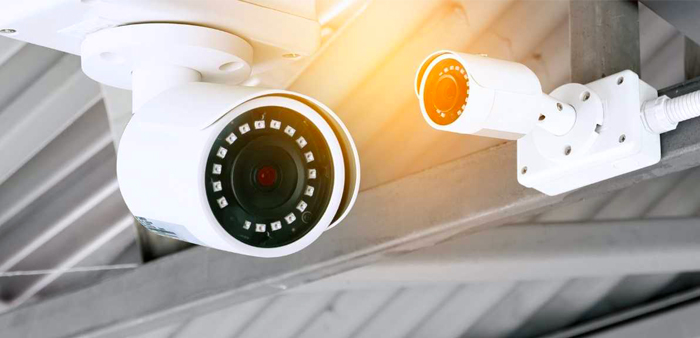
In today’s fast-moving world, security is the biggest concern for both residential and commercial property. Closed-circuit television (CCTV) systems have become ever-present in security, acting as deterrence to crime and as key evidence in incidents that do take place. However, you can purchase a high-end CCTV system, that doesn’t automatically improve your security system. This means you need professional installation for your cameras, as it is essential for your cameras to work correctly and deliver the best quality. This blog will explore why professional CCTV camera installation is necessary.
Maximising Coverage and Eliminating Blind Spots
Comprehensive coverage is one of the significant challenges in setting up a CCTV system, with that last one being particularly tricky. If you install at an amateur level, you will often have blind spots, leaving areas of your property unmonitored and less secure. Professional installers will be able to look at your property layout and place cameras all around in the best places for you to be covered.
They consider factors such as:
- Entry and exit points
- Potential hiding spots
- High-traffic areas
This strategic placement ensures maximum coverage, reducing the risk of intrusions and providing clear visuals of key zones.
Optimal Camera Settings and Configuration
CCTV cameras in today’s world are quite modern giving you features like motion detection, night vision, zoom and pan tilt zoom (PTZ). While these are nice features, they need to be properly configured for them to work properly. Professional installers are well-versed in setting up these features to suit your specific needs.
For example:
- Motion Detection Sensitivity:
Improper settings may result in false alarms triggered by passing animals or shadows. A professional can calibrate the sensitivity to avoid such issues.
- Resolution and Frame Rate:
Professionals ensure the video quality meets your security requirements without overloading your storage system.
By fine-tuning these settings, professionals ensure your system operates efficiently and effectively.
Reliable Network Integration
Modern CCTV has links to networks so you can watch real time feeds or view recordings. Integrating these systems into your existing network infrastructure takes more than just connecting cables — you need to set up these systems. Without proper integration, you may experience issues like lagging video feeds, disconnected cameras, or vulnerabilities to cyberattacks.
Expert Cable Management
A neat and organised installation is visually pleasing but it’s also functional. If your cable management is poor, you can potentially cause signal loss, interference, and can even damage your system. Professional installers ensure cables are:
- Properly routed and hidden to prevent tampering.
- Secured to avoid wear and tear.
- Organised for easy troubleshooting.
This not only enhances the durability of your system but also maintains the aesthetic appeal of your property.
Ensuring Compliance with Local Laws and Regulations
CCTV installation laws in your area will differ and thus address the issue of CCTV installation. To illustrate, a camera might be forbidden to be placed in places where people have a sensible expectation of privacy, for example, bathrooms or private offices. These regulations are known to professional installers, and they make sure your setup is up to law.
Non-compliance can lead to:
- Legal penalties.
- The removal of your CCTV system.
- Compromised footage that may not be admissible in legal proceedings.
By hiring professionals, you can avoid these pitfalls and ensure peace of mind.
Proper Power Supply Setup
CCTV cameras rely on a consistent and reliable power supply to function. A poorly designed power setup can lead to frequent interruptions or system failures. Professional installers:
Design efficient power distribution systems. Provide backup power solutions such as Uninterruptible Power Supplies (UPS) to protect your system against power outages.
Comprehensive Testing and Troubleshooting
Once the installation is complete, professional installers conduct rigorous testing to ensure every component functions optimally. They check for issues like:
- Poor image quality.
- Connectivity problems.
- Misaligned camera angles.
Additionally, they provide troubleshooting support and maintenance services, ensuring your system remains in top condition over time.
Cost-Effectiveness in the Long Run
While DIY installation may seem like a cost-saving option, it often leads to additional expenses down the line. Common issues include:
- Incorrect placement requiring reinstallation.
- Damaged equipment due to improper handling.
- Inefficient setups that necessitate upgrades.
The upfront cost of a professional installation may be more — but it saves money by guaranteeing that your system will be installed properly and won’t need adjustments or repairs down the road.
Enhanced Longevity of Your System
A well-installed CCTV system is less prone to wear and tear, extending its lifespan. Professionals use high-quality materials and techniques to ensure durability, protecting your investment in the long term.
Peace of Mind
Finally, professional installation provides peace of mind. Since you know your security system is installed correctly, you can concentrate on the other parts of your life or business without concern that you may have made a security mistake.
Conclusion
Professional CCTV camera and installation is the best way to have your CCTV camera functioning at its maximum capacity by optimising the features to maximise the coverage, configure the settings, integrate the network, and hold up to the federal government regulations. It completely sidesteps common pitfalls usually found in a DIY setup, making it more reliable, durable, and functional. Although it’s a more convenient option, when it comes to protecting your property, loved ones, and assets—opting for professional installation is not just a luxury, it’s a necessity. If you trust the experts agreeing to install the security system, you can be sure of it’s ability to work well when it’s essential.
